Kashmir, the Threshold of a New Consciousness: Blog Series
20 March 2026
As Kashmir celebrates Navreh & Eid, I share here a passionate call to join in restoring Kashmir to its true place.
After all the years I have spent understanding why this Paradise has not achieved Peace, this is the simplest way I can put it.
Would love to hear your view.🙏
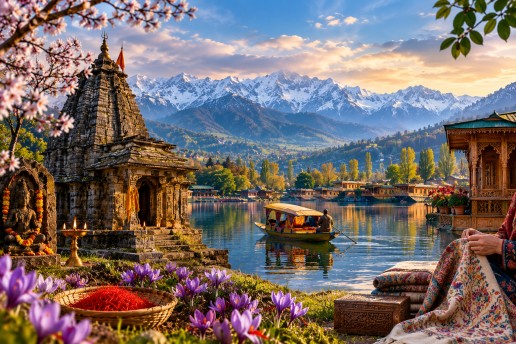
Kashmir, land of breathtaking beauty and unhealed wounds, stands at a profound threshold in its destiny. To all thoughtful, peace-loving Kashmiris—across every religion, lineage, and community—this is a call to remember the deeper truth of this भूमि: it is not meant to be reduced to one voice, one identity, or one way of being. Kashmir holds a sacred geography of connection—north to south within India, east to west toward Central Asia. Its very essence is not singularity, but synthesis. It will not find lasting peace or prosperity by narrowing itself into homogeneity, however stable that may seem for a time. Its true calling is far greater: to become a living bridge of reconciliation, where diversity is not merely tolerated, but consciously harmonized and celebrated.
Flourishing in Kashmir will come only when its people choose inclusion over exclusion, understanding over fear, and shared humanity over inherited division. Every community must make the courageous effort to step beyond the boundaries of its own cultural comfort and rediscover the dignity, wisdom, and beauty in the other. For at the heart of all religions lies a single, luminous purpose: to elevate human consciousness toward love, unity, and oneness. Culture is meant to serve this awakening—not replace it. When we mistake cultural difference as a threat, we lose sight of this deeper truth. But when we return to the essence—asking not “How are we different?” but “Have we become more compassionate, more inclusive, more awake?”—we rediscover the ground on which all can meet. Kashmir’s destiny is not conflict; it is conscious coexistence. And only by embracing this higher reconciliation can it finally become what it has always been meant to be: a true paradise, not just of landscape, but of spirit.
—–
This is an overview to a series of blogposts I have felt called to write on Kashmir. A land I feel a strange and inexorable call to see healed, restored and regenerated.
2 March 2026
(Two days after the US & Israel declared war on Iran)
I generated this in conversation with my Chatgpt. This is a message of hope.
Would love your insights dear readers.
–Nilima Bhat
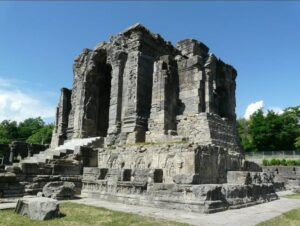
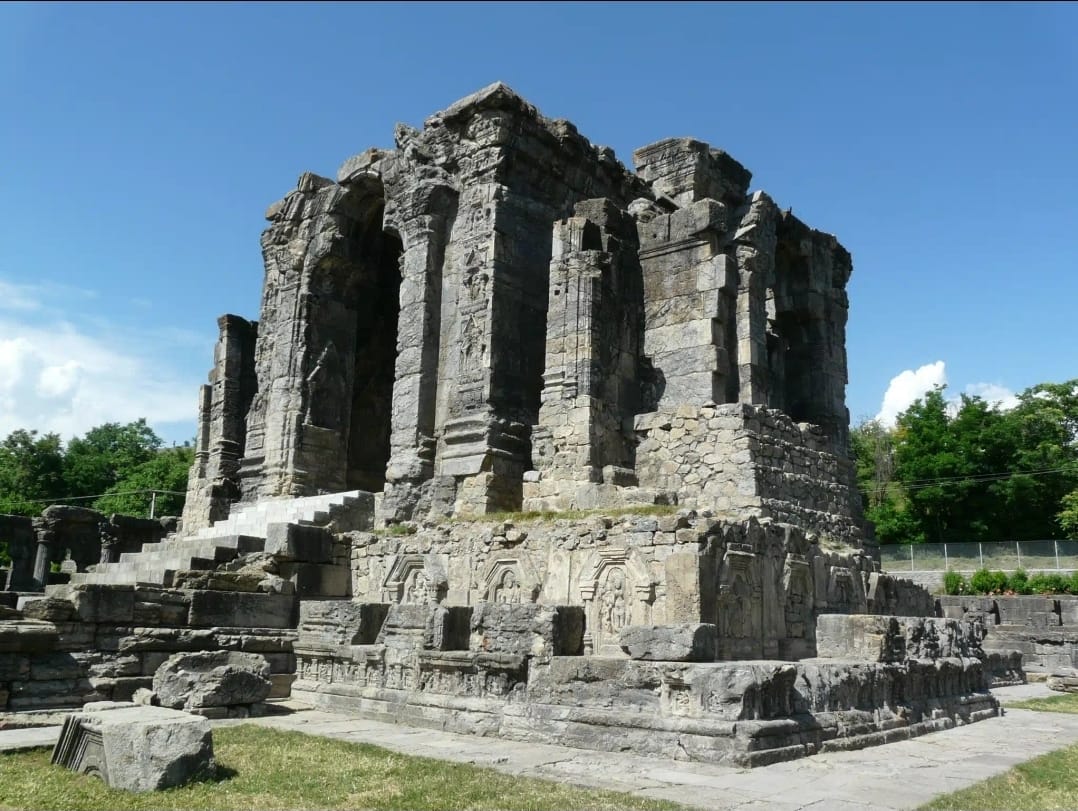
There is a reason the great Sun Temple of Kashmir was named Mārtāṇḍa.
Of all the many names of Surya — Aditya, Bhaskara, Ravi — why choose the one that means “the dead egg”?
In the Vedic imagination, Mārtāṇḍa is the Sun who is cast away and brought back. The one who sets, disappears, and yet inevitably rises. He is the visible reminder that light consents to limitation, that radiance enters time, that what appears extinguished may only be in transition.
This is not merely mythology. It is civilizational psychology.
And I write this consciously as myth — as a narrative of hope — because myth is not falsehood. Myth is the architecture of meaning by which civilizations endure.
Kashmir, too, has lived the rhythm of Mārtāṇḍa.
For millennia, this valley was not simply a political territory but a luminous seat of consciousness. It gave the world Kashmir Shaivism — one of the most sophisticated non-dual philosophies known to humanity. It nurtured Sanskrit scholarship, aesthetic theory, poetry, mysticism, and an exquisite culture of debate and dialogue. It absorbed influences not only from Vedic and later Islamic streams, but also from Buddhism, Sikhism, Jainism, and even strands of Judaic presence.
Practically every great spiritual current that moved along the north–south axis between Kashmir and the rest of India, and the east–west axis between Kashmir and Central Asia, passed through this valley. Many did more than pass through — they found a home.
This was not accidental geography. It was civilizational destiny.
This is what I call the Sarasvedic spirit — like the river Saraswati, sometimes visible, sometimes subterranean, but never entirely gone.
And yet history has not been gentle.
There have been repeated waves of disruption and displacement, including multiple exoduses of Kashmiri Pandits across centuries. Each time the indigenous Shaiva-Vedic culture was targeted or thinned through violence or coercion, families left. Each time, against odds, some returned. The most recent mass displacement in the late twentieth century still lives in memory — not as distant history, but as lived trauma.
If we are honest, return cannot be built on poetry alone.
Hope must be supported by on-ground safety, constitutional guarantees, and, where necessary, security protection so that no citizen ever again has to leave their homeland for fear of their lives. A myth of return must be matched by material conditions that make return viable and permanent.
Light must be protected until it can stand fully on its own.
And yet, without a story of hope, even the strongest protection becomes mechanical. Civilizations require meaning as much as they require defense.
Mārtāṇḍa teaches us something subtle.
The Sun does not argue with the night. He survives it.
Civilizations that are merely political can be erased politically. Civilizations rooted in metaphysics, language, art, and deep philosophy are harder to extinguish. They may go underground. They may scatter across geographies. But they persist in memory, in practice, in lineage, in text, in prayer.
Kashmir’s deepest strength has never been demographic dominance. It has been intellectual luminosity.
Abhinavagupta’s vision of recognition — the insight that the Divine is not elsewhere but here, in the fabric of experience. The poetic wisdom of Lal Ded, who dissolved boundaries between communities. The aesthetic brilliance that saw rasa not merely as artistic flavor, but as a pathway to transcendence.
These are not easily destroyed.
Like the Sun below the horizon, they await the hour of reappearance.
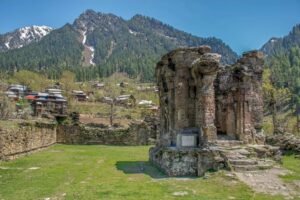
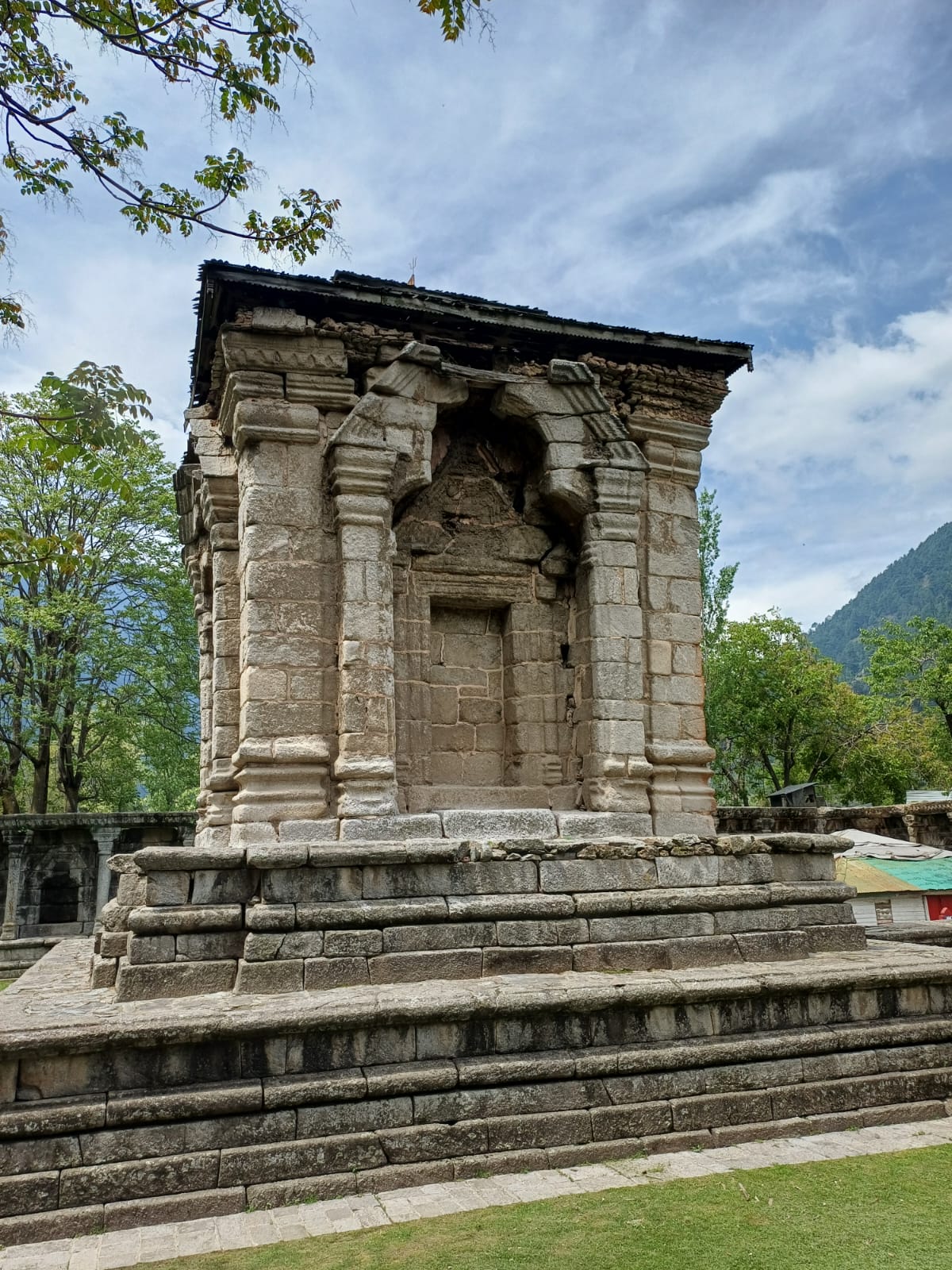
The ruins of Mārtāṇḍa stand today against the sky — broken, weathered, majestic. They do not scream. They do not accuse. They face the light. Their very posture is instruction.
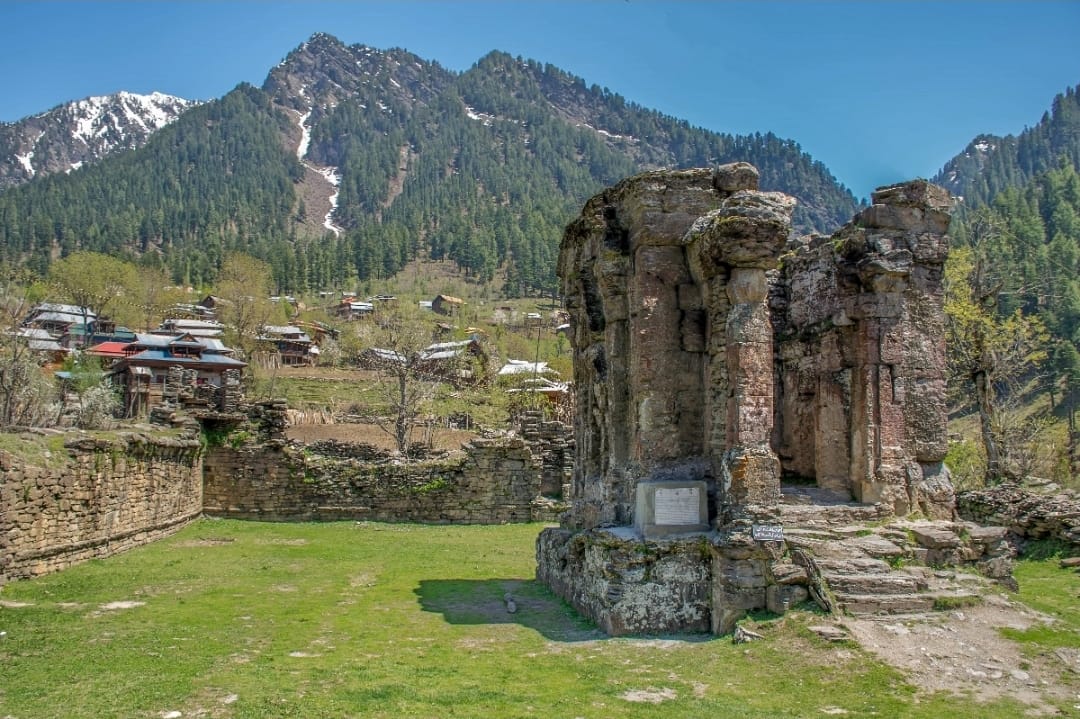
Alongside Mārtāṇḍa stands Sharda — the ancient seat of knowledge, the northern abode of Saraswati. Together, they form two pillars: light and learning.
If Kashmir is on a hero’s journey, these are its archetypal supports.
The Sun that rises.
The River of wisdom that flows.
In many cosmological traditions of India, it is said that there have been six creations before this one, each unable to fully manifest its harmonized potential and therefore dissolving back into the unmanifest. This present cycle is sometimes spoken of as the seventh creation — the one that holds the possibility of stabilizing harmony sufficiently to evolve without catastrophic dissolution.
Whether one reads this literally or symbolically, the pattern is instructive.
Six attempts. Dissolution.
A seventh chance at integration.
Kashmir’s history of repeated exoduses mirrors this rhythm in microcosm. If there have indeed been six waves of displacement, perhaps the aspiration of this seventh chapter is not merely return, but permanence — not merely survival, but harmonization.
Not dominance of one tradition over another, but the mature integration of all who have found home there.
To invoke Mārtāṇḍa as a symbol for Kashmir today is not to inflame old wounds. It is to remember a deeper evolutionary pattern.
Yes, there has been suffering. Yes, there has been fracture. Yes, there has been displacement that must never be minimized.
But if the narrative becomes one of grievance alone, it will perpetuate the cycle.
If instead the narrative becomes one of civilizational renewal — rooted, confident, magnanimous, and responsibly protected — then Mārtāṇḍa becomes a living metaphor.
To rise again does not mean to dominate.
To return does not mean to exclude.
To revive does not mean to erase another.
Kashmir’s original genius was not monoculture. It was the ability to hold multiplicity without losing center. The best of every tradition that came — Hindu, Buddhist, Islamic, Sikh, Jain, even Jewish — contributed threads to a tapestry that was uniquely Kashmiri.
That capacity for synthesis without self-erasure is true strength.
The partial reopening of pilgrimage at Sharda gestures toward restoration — not just of ritual, but of knowledge. Martand and Sharda together can stand as the twin pillars of a resurrected Kashmir — consciousness and wisdom — supported by the practical frameworks that ensure safety, dignity, and long-term stability for all communities.
If these become symbols of return, then the return must be comprehensive: – Physical security
– Cultural revival
– Educational renewal
– Interfaith literacy
– Constitutional protection
– Economic viability
A civilization reborn does not react. It radiates.
And in that radiance, it becomes a model.
According to Sri Aurobindo’s vision, India’s deeper destiny is to work out the problem of human unity — not through homogenization, but through spiritual integration. If that is so, Kashmir — sitting at the crossroads of north and south, east and west — may well be one of the crucibles where that unity is tested and refined.
If Kashmir can harmonize its multiplicity — securely, maturely, consciously — it can become a model for India. And if India can demonstrate lived human unity amidst diversity, it offers something to Asia and to the world.
This is not naïve optimism. It is evolutionary aspiration.
Mārtāṇḍa rises every morning without resentment toward the night.
He simply shines.
If Kashmir is to rise again, it will do so not by replaying the past, but by fulfilling its potential — protected where necessary, wise where possible, magnanimous where strong.
Cast away, yet not extinguished.
Dispersed, yet not dissolved.
Tested, yet not finished.
Like Mārtāṇḍa, Kashmir’s light may have set — but perhaps this seventh rising can be the one that stabilizes the dawn.
Do listen to Dr. Alok Pandey’s talk at our Shakti Kumbh 2024 and notice the many connections to Kashmir as a possible incubator of the 7th Creation.
And the present Middle East war as the last chaos of Falsehood.
Kashmir is not just a place. It is a memory. A field. A possibility.
And yet, as I move through it, speaking with people on the ground, I encounter a very different reality. The Kashmiri Pandit community, once a vibrant carrier of knowledge traditions, is now largely absent—dispersed by history’s wounds. The Kashmiri Muslim community, resilient and dignified, is understandably focused on rebuilding life after decades of turmoil. Survival, stability, and dignity are the priorities. Conversations of cosmic time, sacred measure, or evolutionary consciousness feel distant, even irrelevant, to daily life.
And still, something in me asks: Is there a deeper thread that has not been lost?
—
In engaging with Thea’s work on the restoration of the Vedic Year—the Divine Measure anchored in solstices and equinoxes—I find a powerful reminder: that time is not merely chronological. It is sacred. It is formative. It is a medium through which consciousness evolves.
But as I sit with this idea in Kashmir, another dimension becomes impossible to ignore: space.
Kashmir is not only a place in time; it is a place in space with a unique orientation—geographical, civilizational, and perhaps even subtle. It has long been called the “crown” of India—not just poetically, but symbolically. A place of altitude, perspective, and proximity to something finer, quieter, more refined.
Here, the idea arises almost unbidden:
«What if Kashmir is not only to restore the measure of time, but to reawaken the relationship between space and time—to become a living field of space-time consciousness?»
If time is the fourth dimension of space, then to inhabit a place consciously is also to inhabit time differently. The rhythms of solstice and equinox are not abstractions—they are lived differently in each geography. In Kashmir, they carry a certain intensity, a clarity of light and shadow, of stillness and transition.
Could this land become a place where time is once again experienced as consciousness?
—
Sri Aurobindo spoke of the evolution of consciousness—not as an idea, but as an inevitability. From matter to life, from life to mind, and from mind to what he called the supramental consciousness—the truth-consciousness, the next step in human evolution.
An age of truth.
An age where division yields to unity.
Where multiplicity is not erased, but harmonized.
Standing here, I cannot help but wonder:
If such a consciousness is to emerge, where will its first stable grounds be found?
Kashmir, in its essence, feels like a threshold. Not yet that consciousness—but not entirely cut off from it either.
A doorway, perhaps.
—
But how do we begin—when the lived reality is so far from these possibilities?
This is the question that humbles me.
Not: What is the grand vision?
But: What is the first honest step?
—
Perhaps the beginning is not dramatic.
Perhaps it is as simple—and as radical—as this:
1. Restoring Awareness of Time
Not by imposing a “correct” calendar, but by gently reintroducing awareness:
– Marking solstices and equinoxes consciously
– Reconnecting festivals to their deeper rhythms
– Inviting reflection at natural turning points
Not as doctrine—but as experience.
—
2. Re-inhabiting Place
To begin to relate to Kashmir not only as territory, but as living space:
– Listening to the land
– Gathering in silence, not only in speech
– Allowing geography itself to become a teacher
—
3. Creating Small Fields of Coherence
Not large movements, but small circles:
– Conversations across communities
– Shared spaces of reflection
– Practices that are inclusive, not exclusive
—
4. Integrating Knowledge, Not Dividing It
Moving beyond “this system vs that system”:
– Solar, lunar, nakshatra
– Science and spirituality
– Tradition and modernity
Not choosing—but integrating.
—
And perhaps, most importantly:
5. Holding the Possibility Without Forcing It
Kashmir does not need to be told what it is.
It needs space & time to remember.
—
If we bring this awareness of space-time—this fourth-dimensional consciousness—into how we live, gather, and reflect in Kashmir, then something subtle may begin to shift.
Not immediately visible.
Not dramatic.
But real.
And in that subtle shift, Kashmir could begin to function as a 4D field—a place where space and time are consciously held together.
And perhaps, just perhaps, such a field becomes a doorway.
A doorway through which not only Kashmir, or India, but humanity itself can begin to sense the possibility of a fifth dimension—not in a fantastical sense, but as a lived reality:
– Unity without uniformity
– Diversity in harmony
– Each part holding its integrity, while being in right relationship with the whole
—
As I prepare to leave this land, I do not carry answers.
I carry a question.
A prayer, perhaps.
«Where do we begin, when the distance between what is and what could be feels so vast?»
And the only response that comes is quiet, almost simple:
«Begin where you are.
With what is alive.
And with a sincerity that does not seek to impose, but to listen.»
Kashmir may yet rise—not by reclaiming its past, but by becoming a field through which the future quietly enters.
And if time is indeed sacred, and space is conscious, then perhaps the true restoration is not only of a system—
But of our relationship with both.
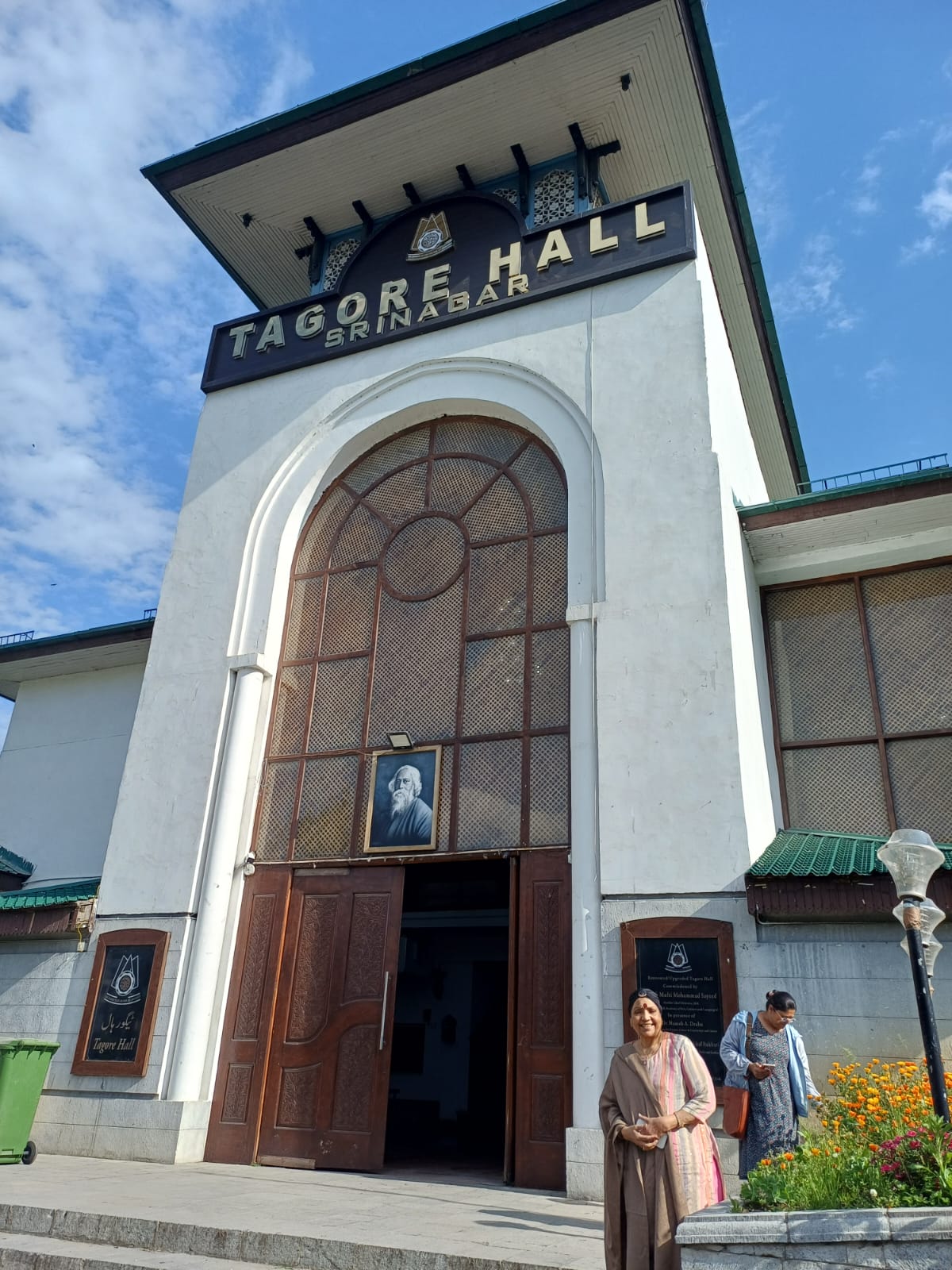
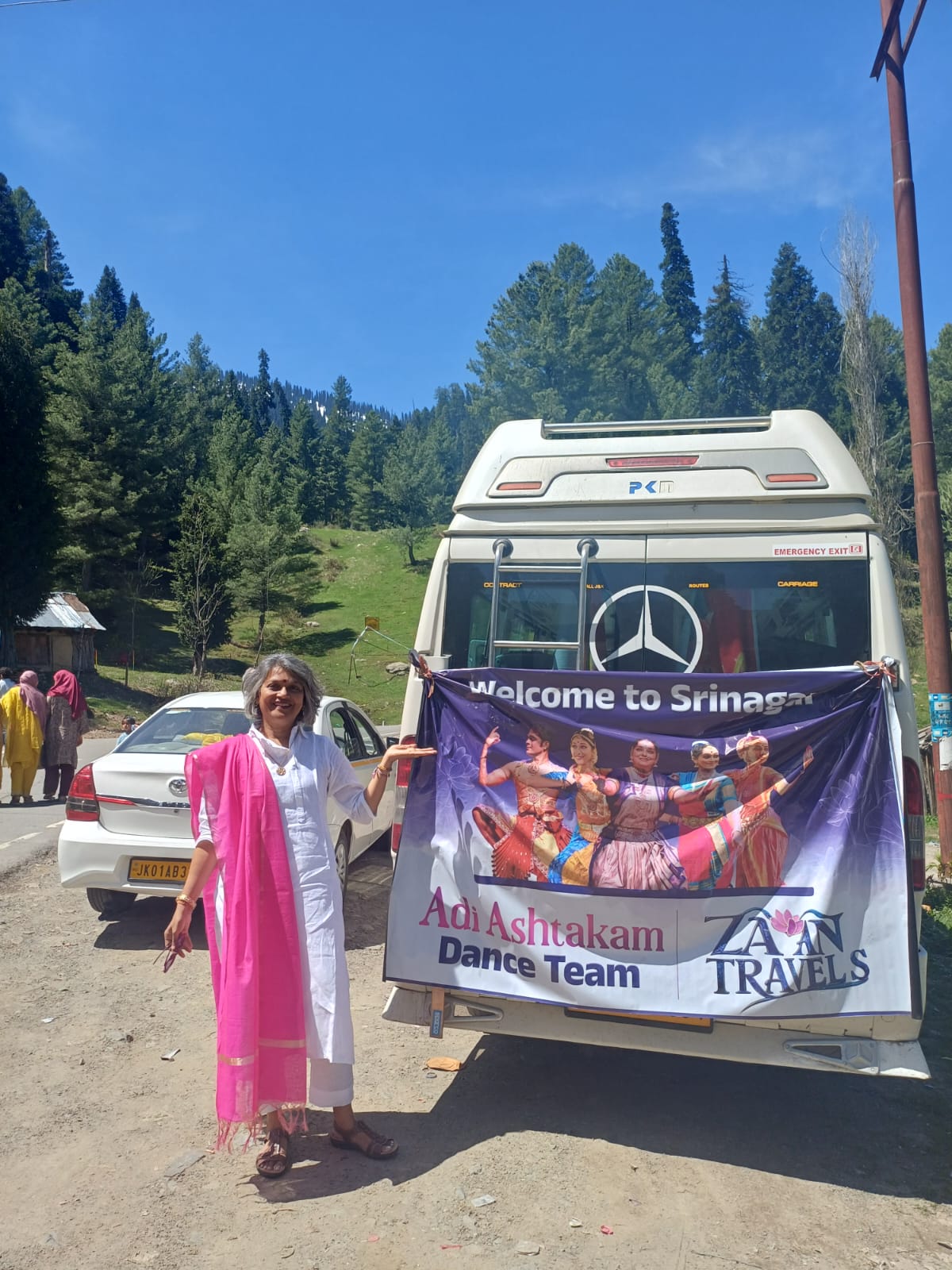
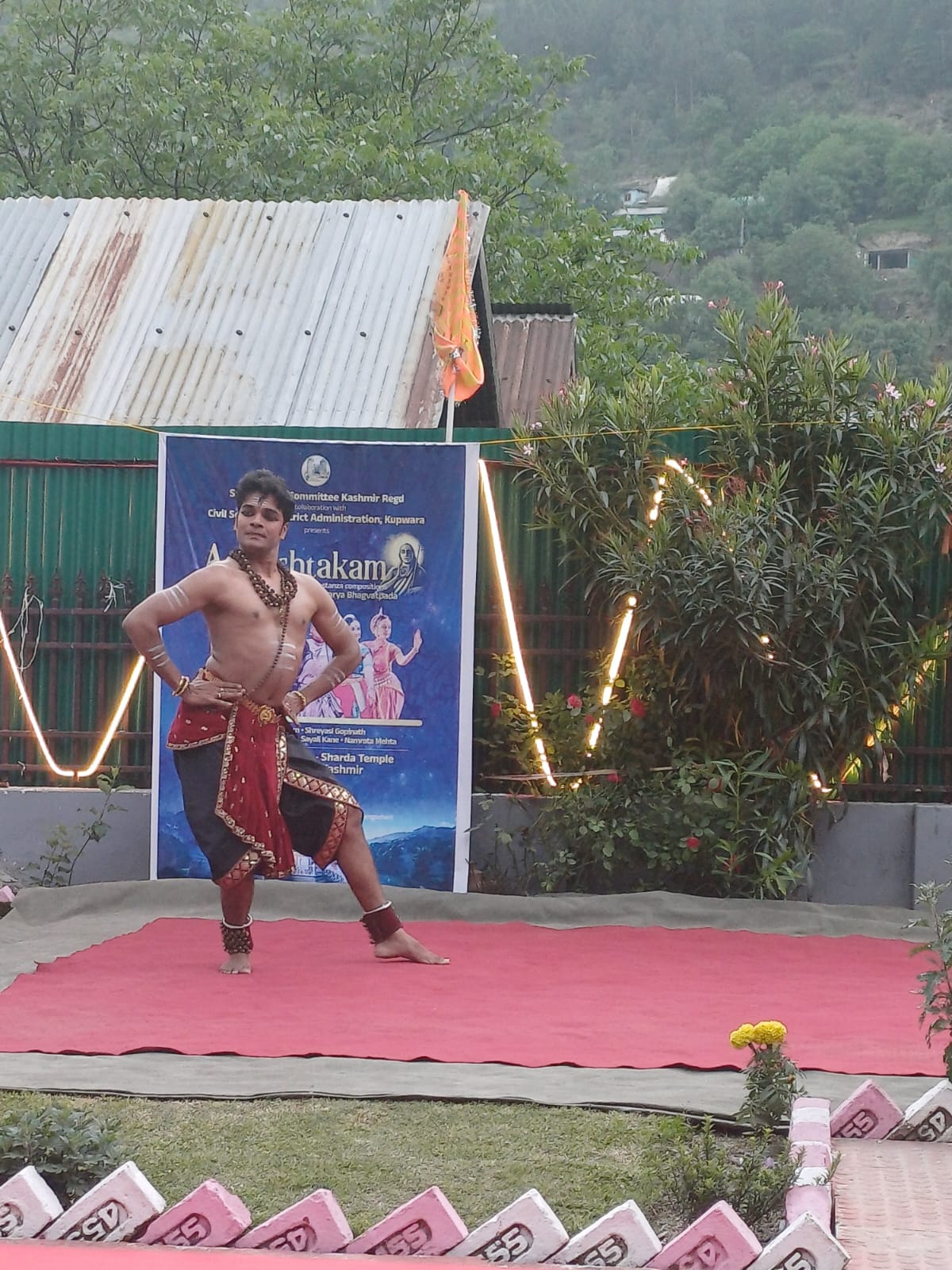
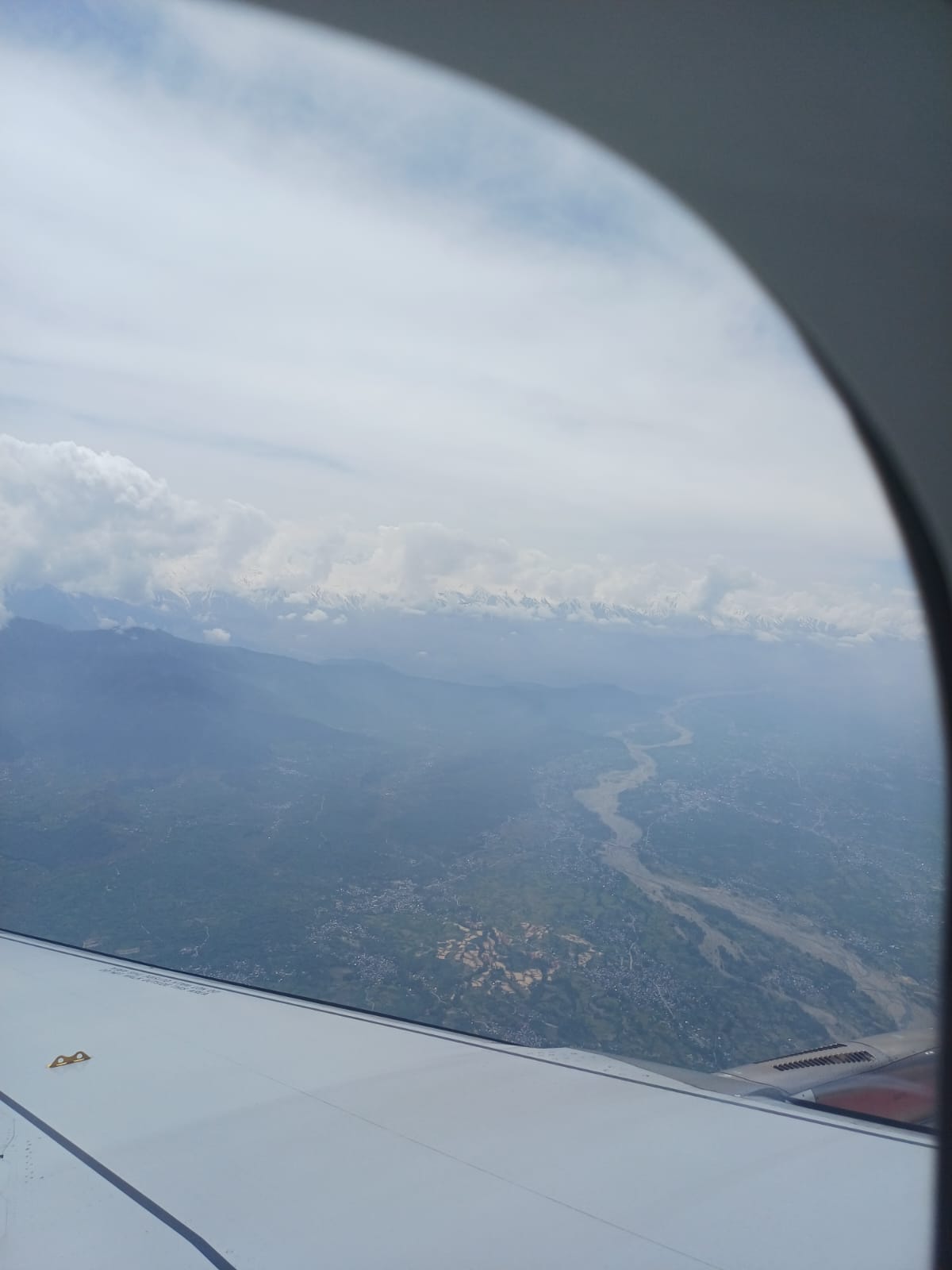
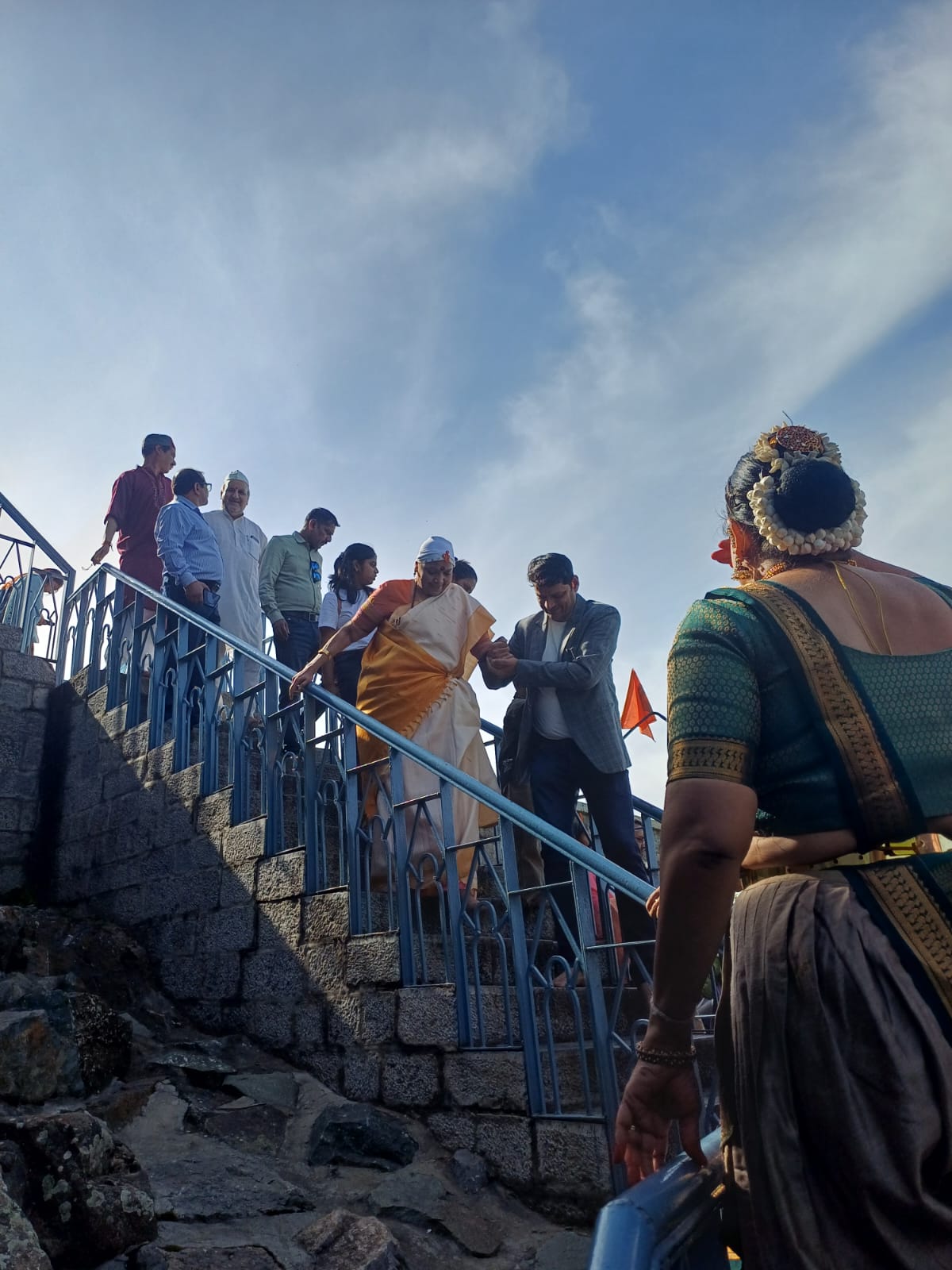
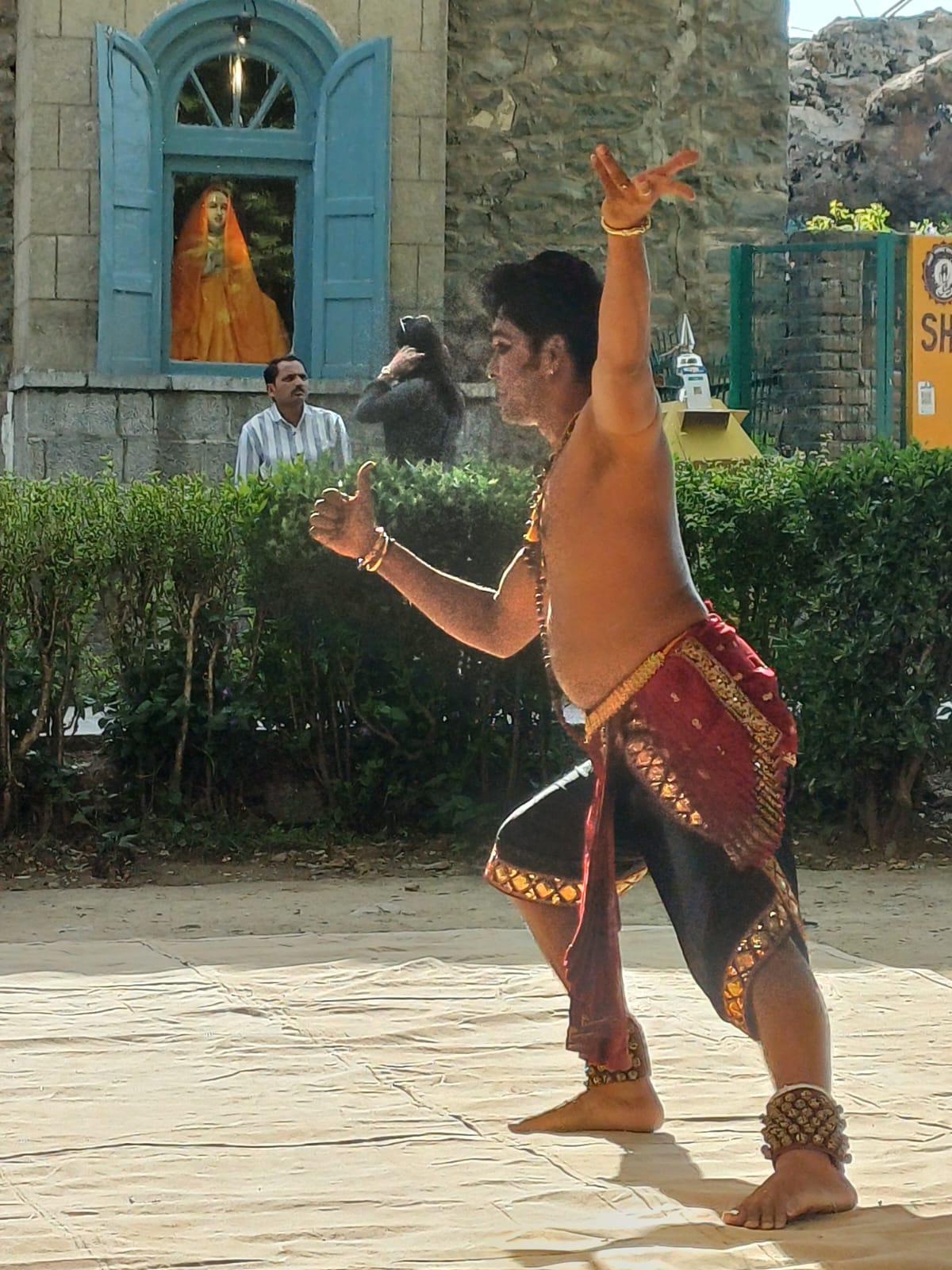
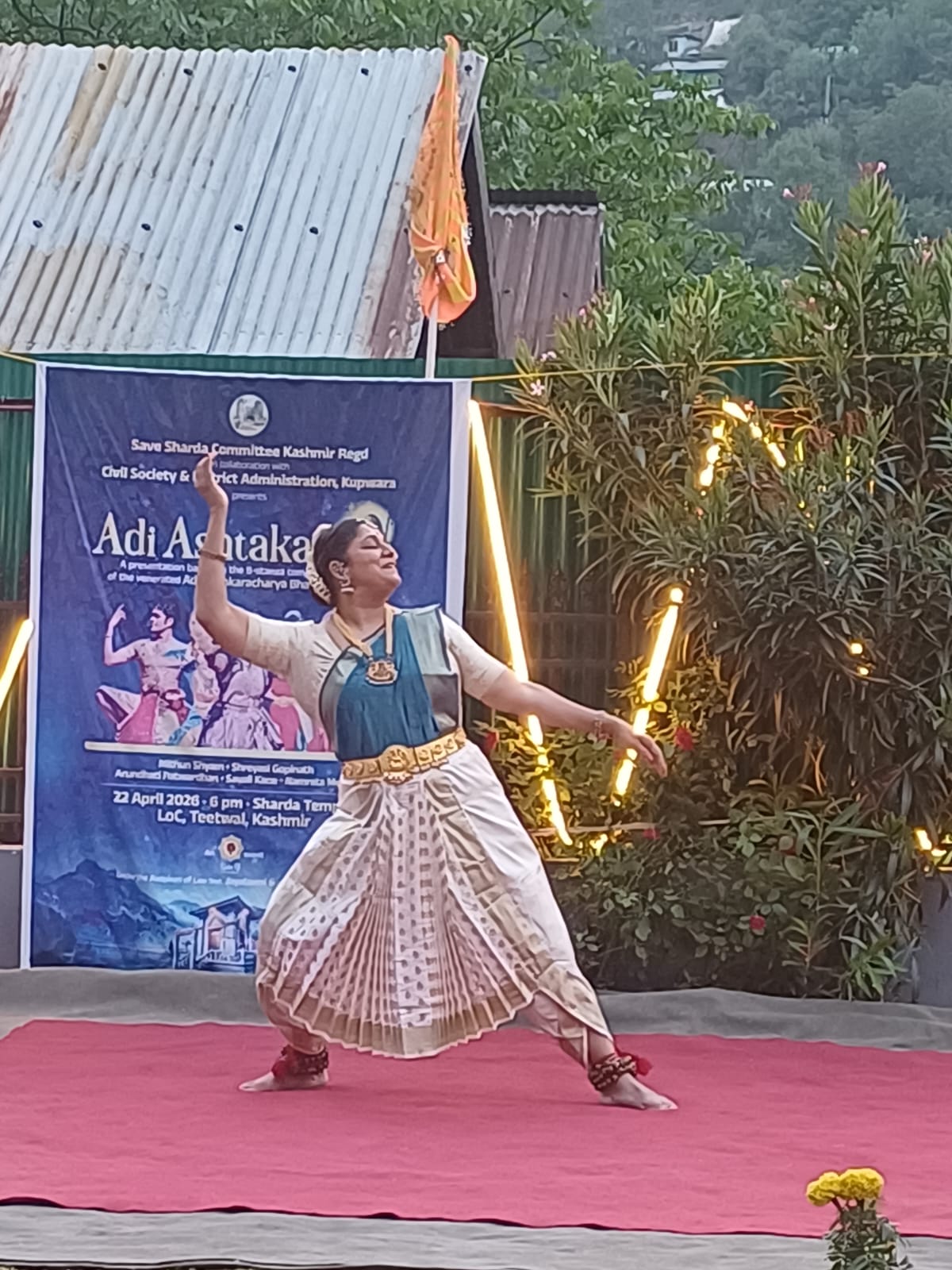
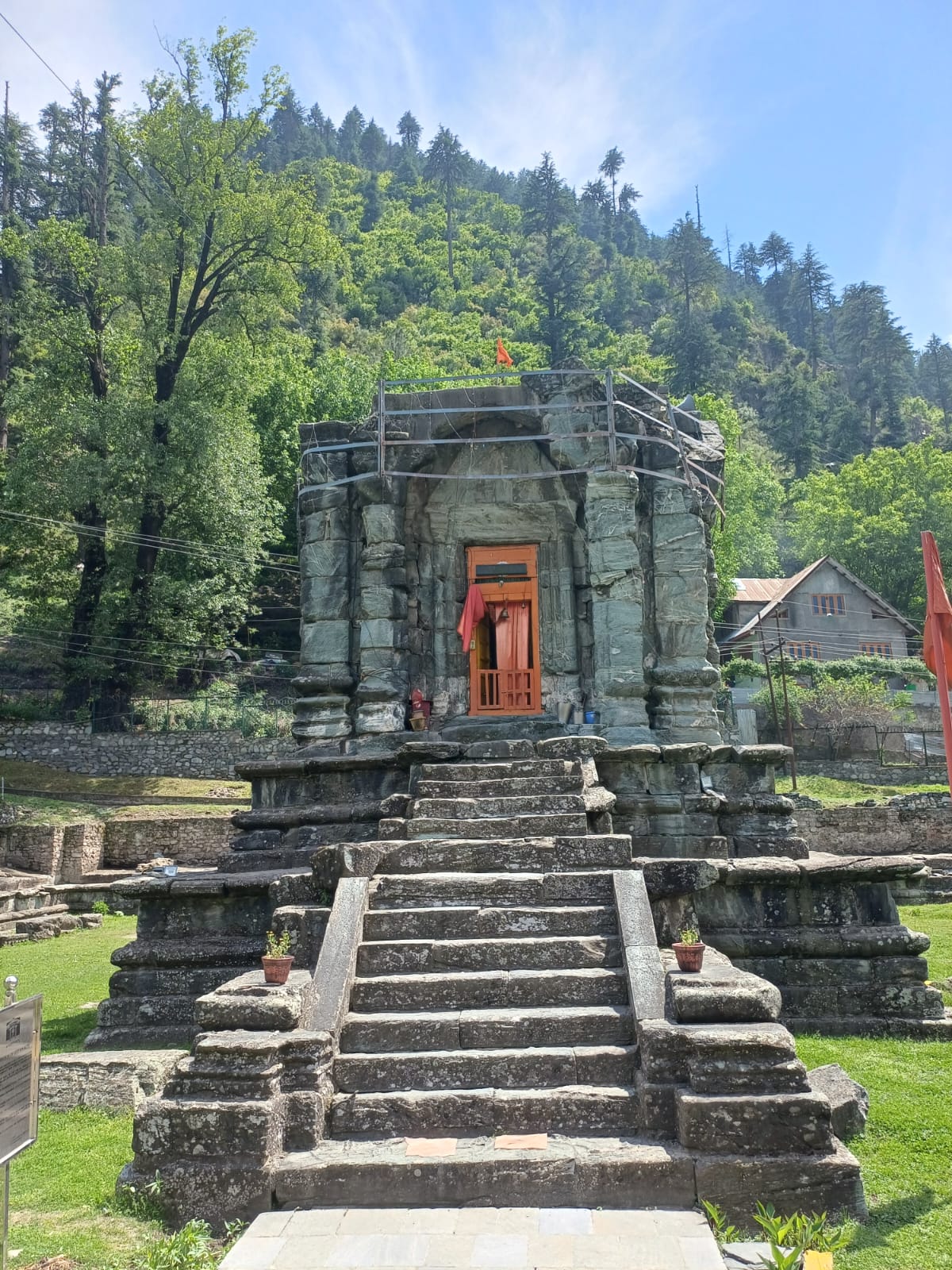
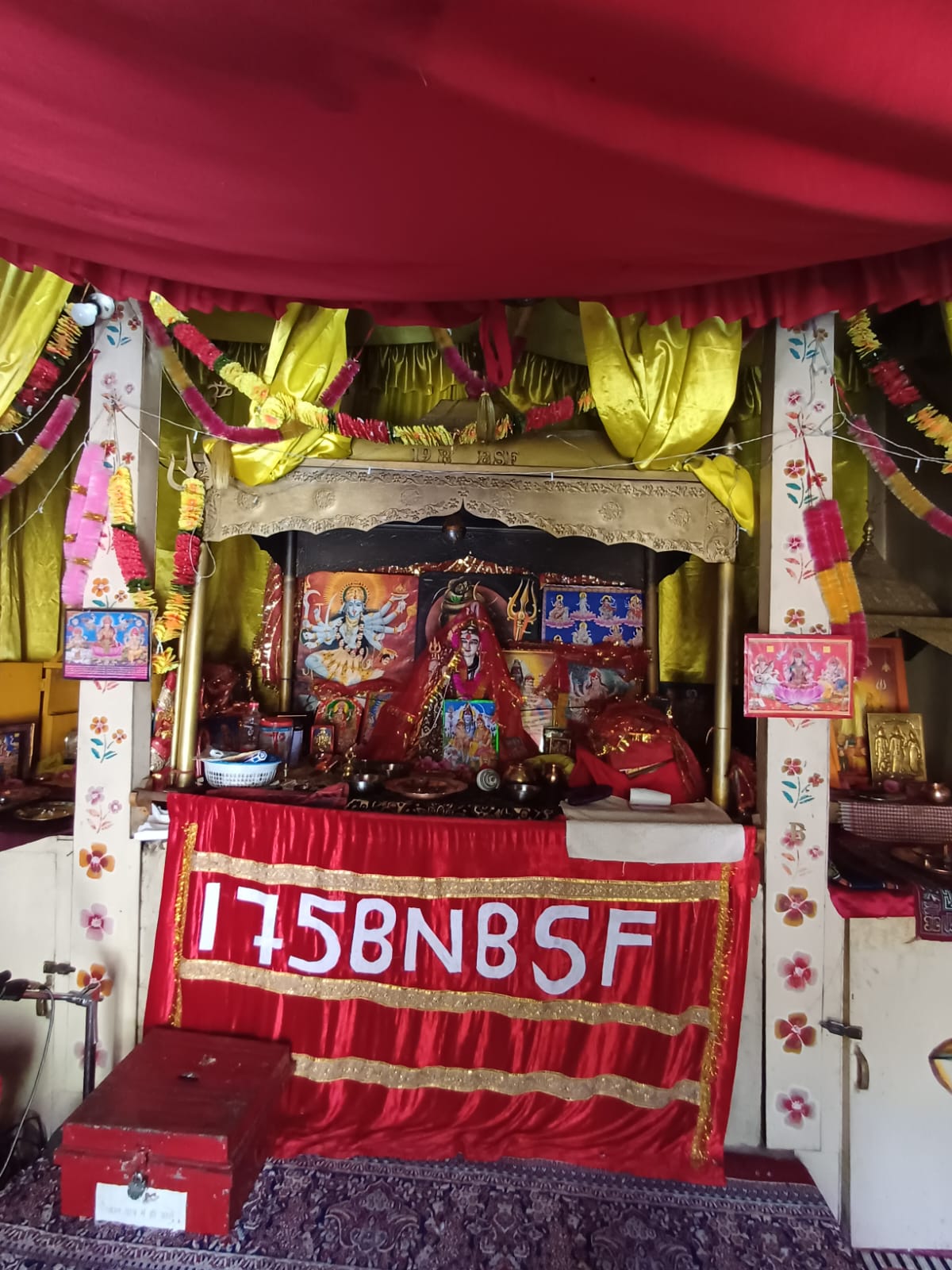
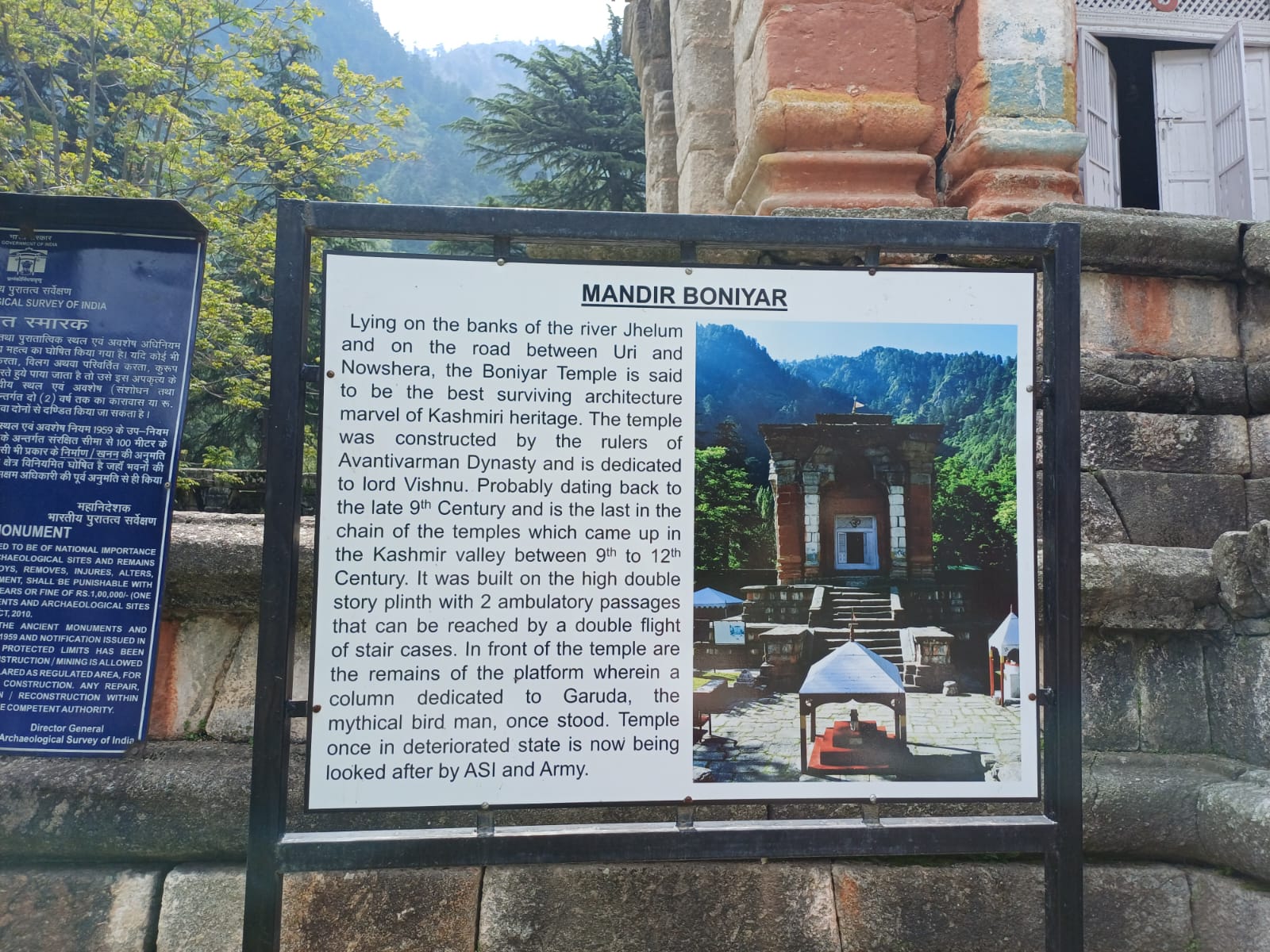
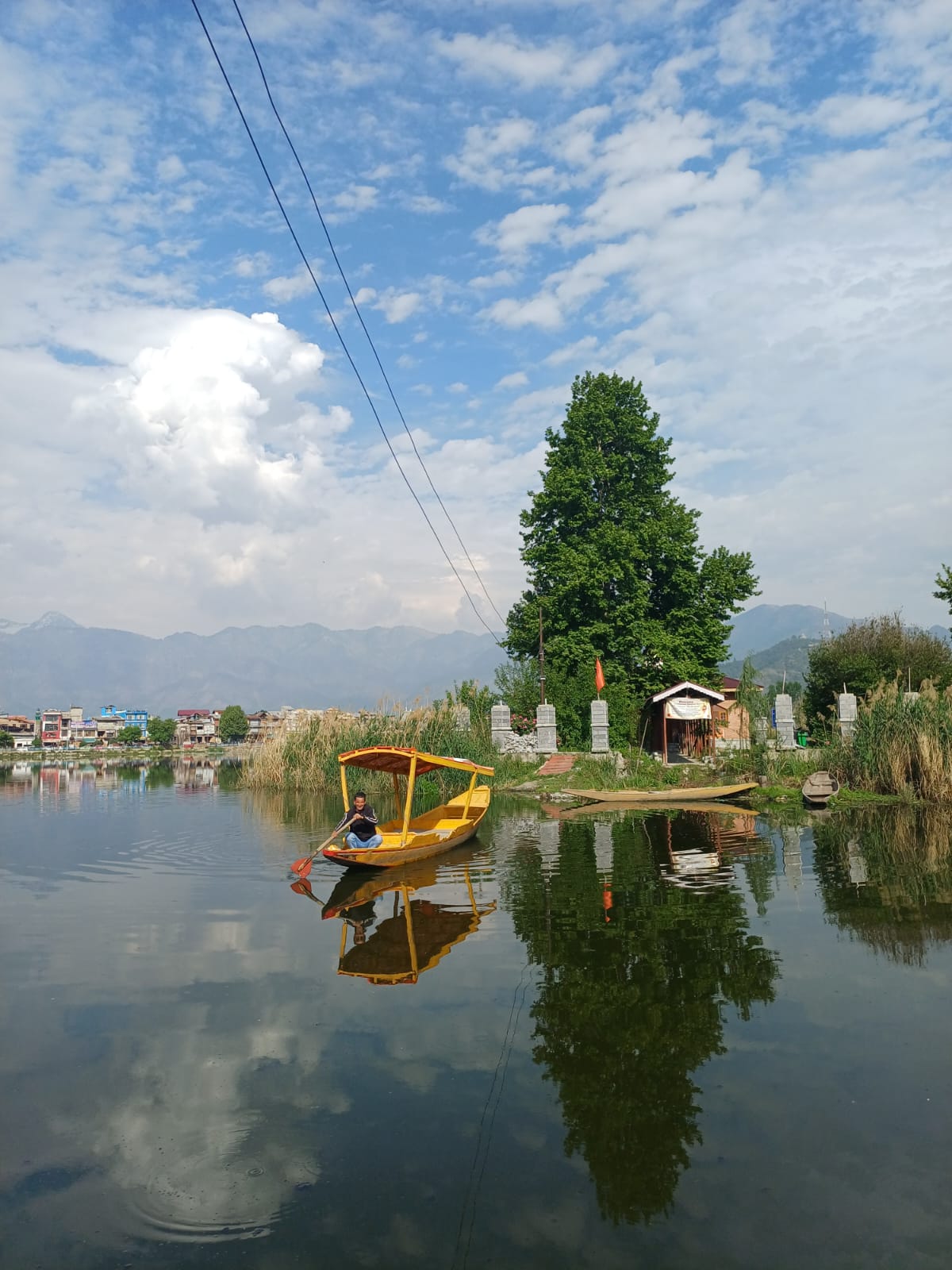
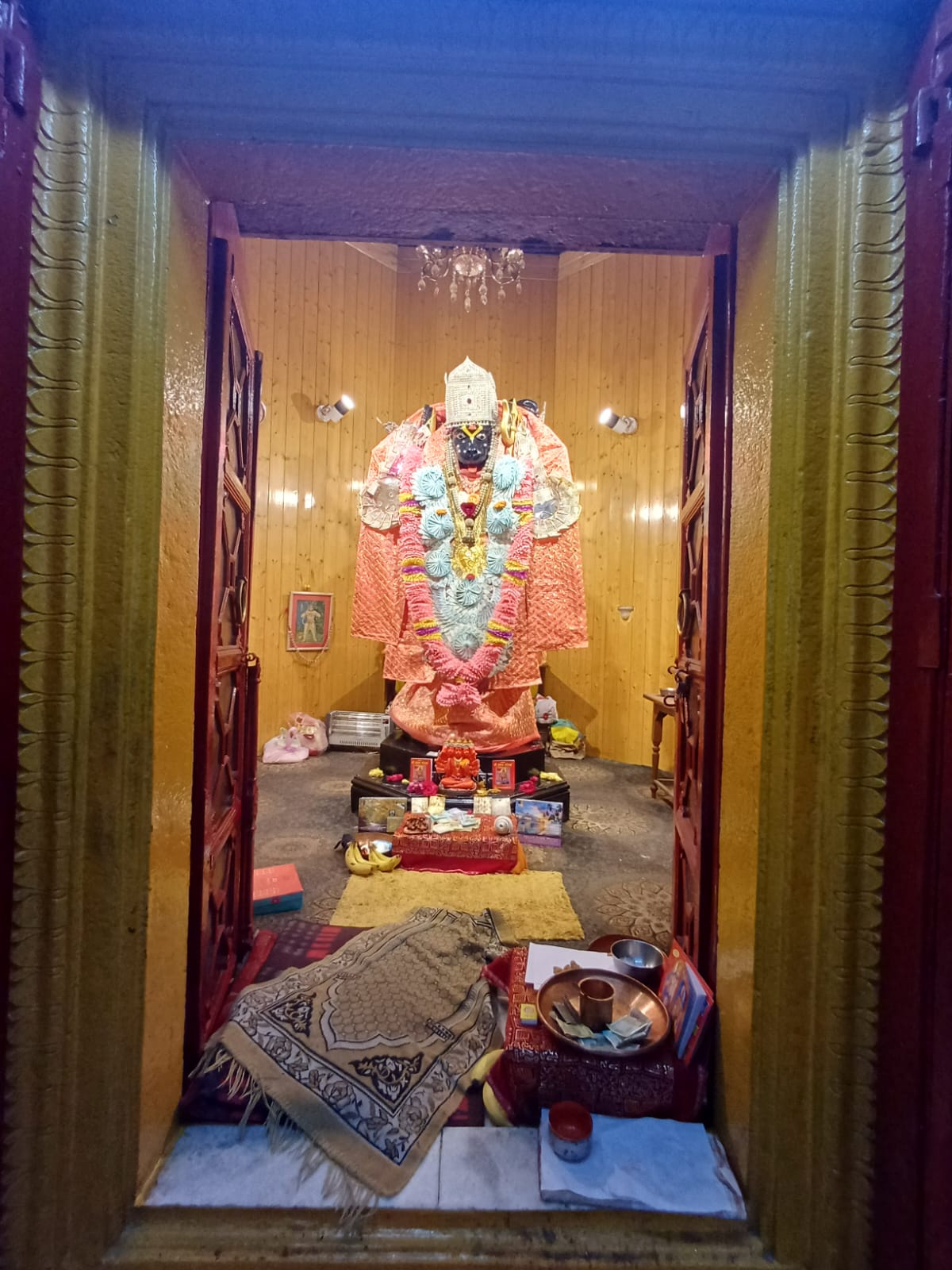
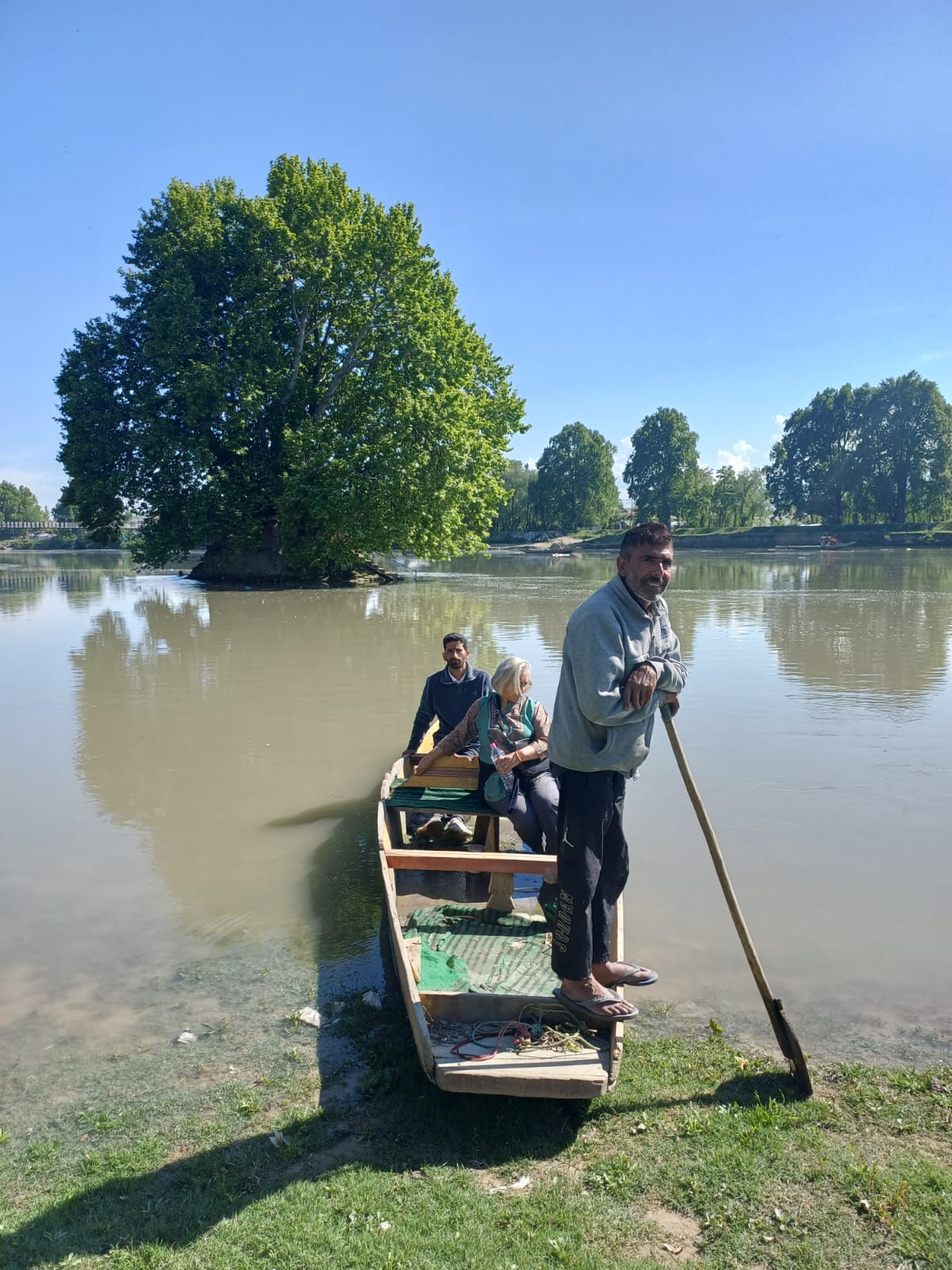
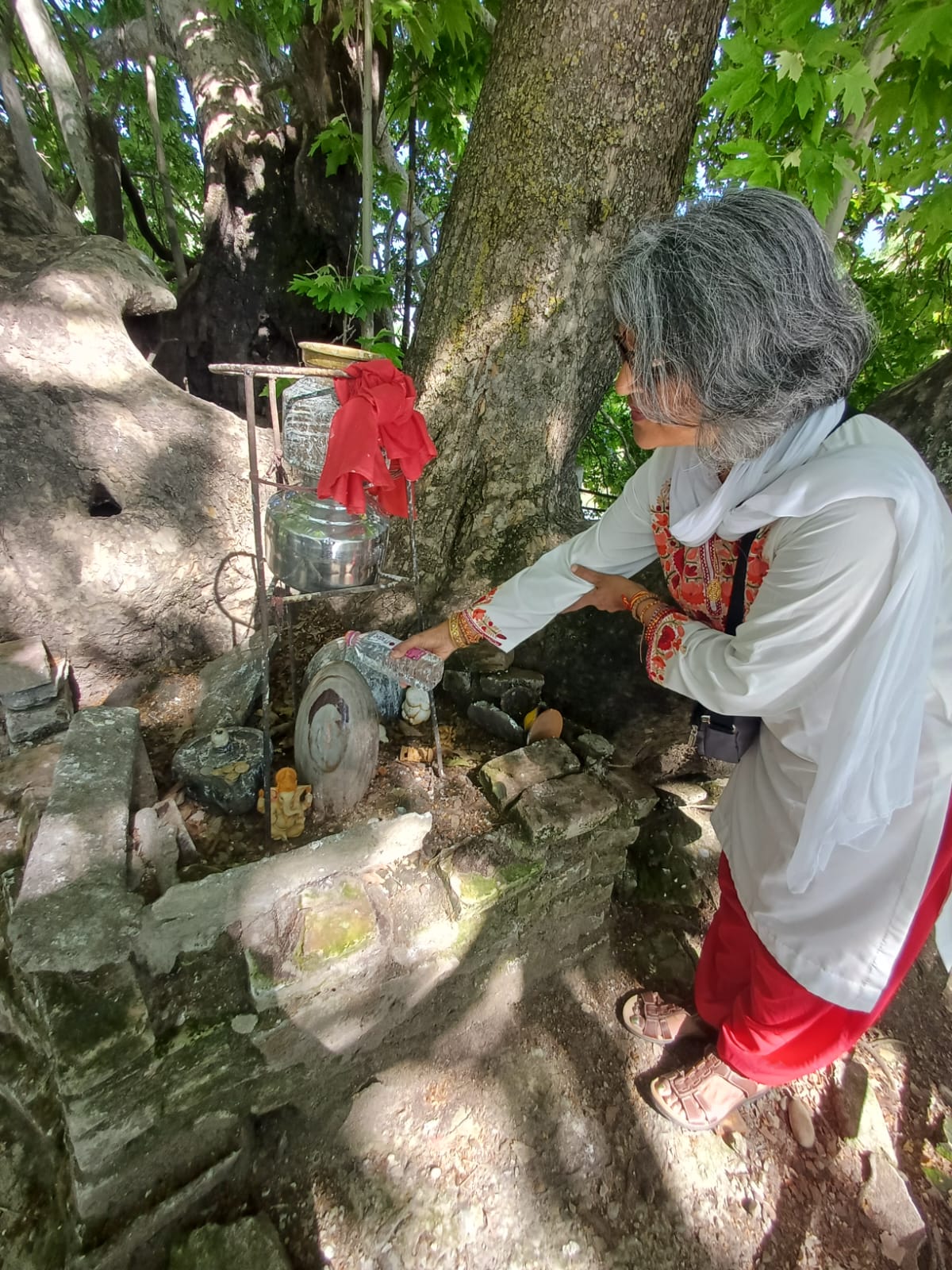
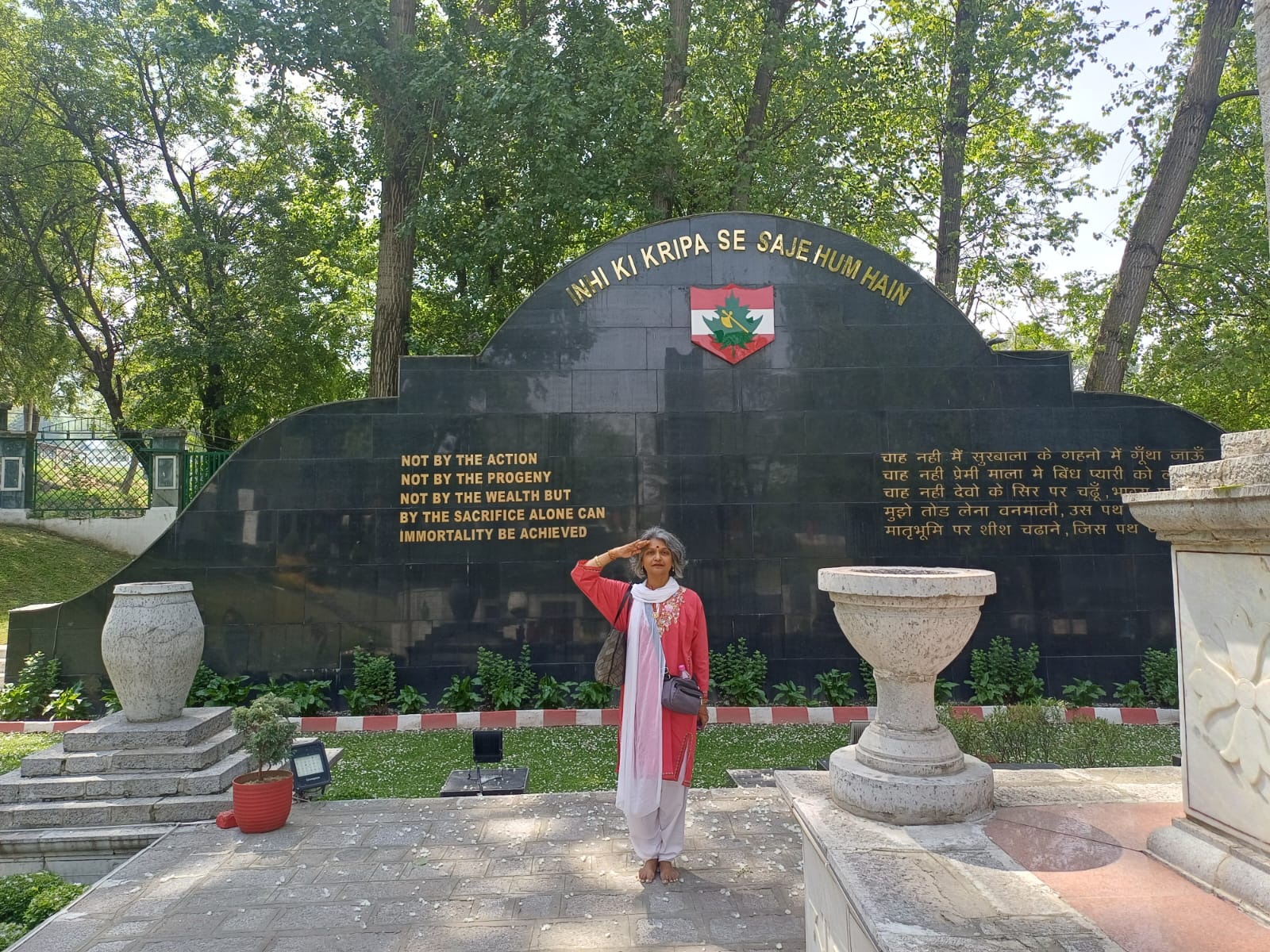
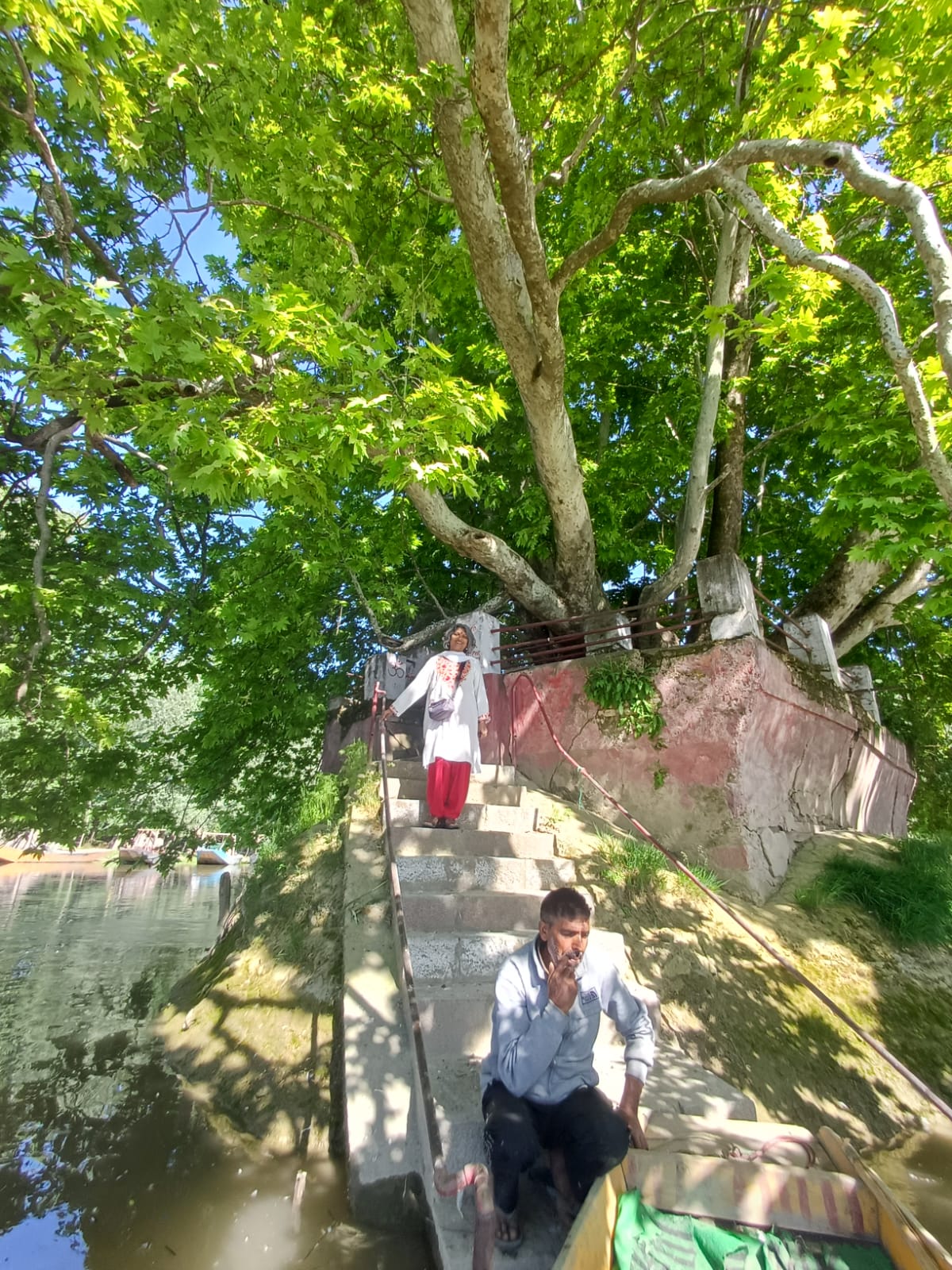
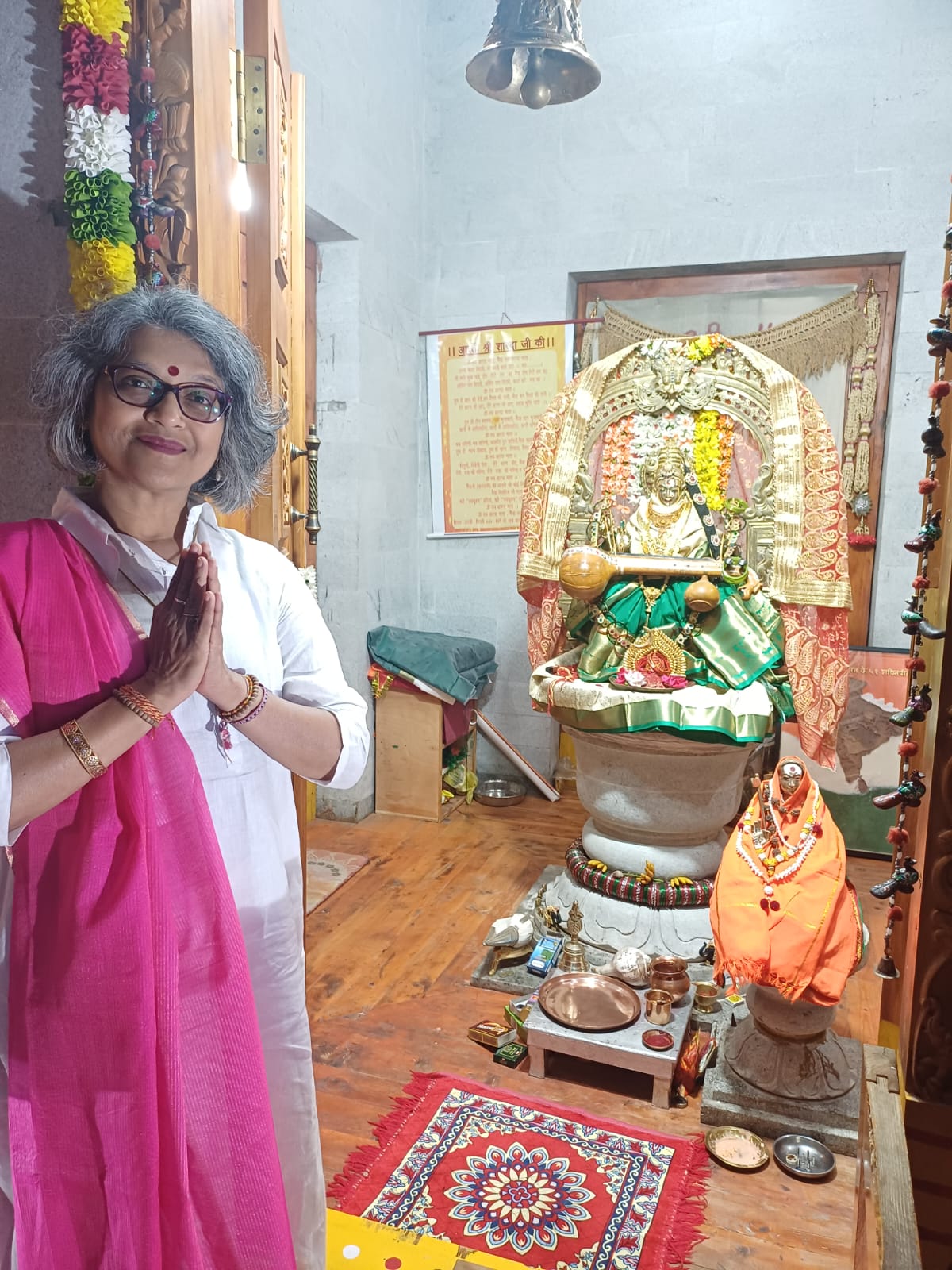
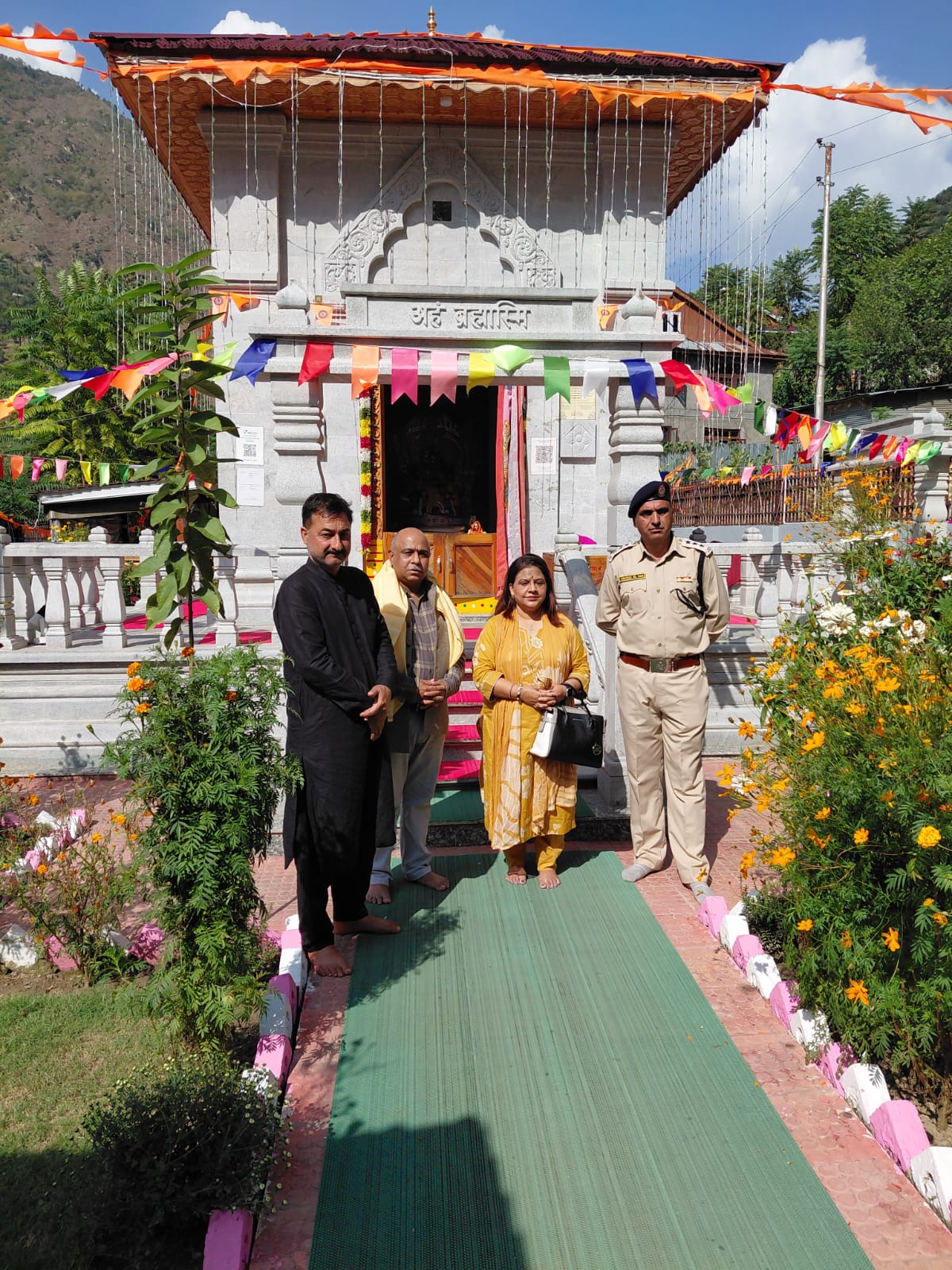
On the LoC on the 1st anniversary of Pahalgam attack. India flag in foreground. PoK in background.

Watch the videos at the bottom on Kashmir, from TRW 2026, that triggered this post
I have been reflecting on something I came across some time ago, and which has returned to me with new force.
There is an ancient and esoteric symbolism around sapphire as a stone of Truth — not simply truth as fact, but a deeper, luminous Truth: something that allows an inner reality to shine through the outer form.
I discovered, in researching this further, that this symbolism has a surprisingly rich lineage. In the mystical interpretation of the Hebrew scriptures, for example, sapphire is associated with Divine Truth that is translucent to inner truth and allows heavenly light to shine through.
In the Indic tradition, sapphire — Neelam — carries another profound layer of meaning through its association with Shani, Saturn. Shani is not merely the planet of difficulty or hardship, as he is sometimes reduced to in popular astrology. He is the force of karma, truth, consequence, discipline, time and justice — the one who brings us into direct relationship with what is real and asks us to take responsibility for what we have created.
And beyond Shani is the consciousness of Mahakaal — the Great Time, the timeless principle that ultimately dissolves everything that is not aligned with Truth.
Seen in this light, sapphire becomes more than a beautiful blue stone. It can be understood symbolically as carrying the light of a Truth that cannot ultimately be deceived or avoided: Truth illuminated by consciousness, tested by time, revealed through karma, and purified through the dissolution of what is no longer true.
This made me wonder about the Earth itself.
Kashmir is one of the world’s legendary sapphire-bearing regions. Sri Lanka is another great sapphire land. And both are lands that have experienced deep and prolonged histories of conflict and social fragmentation.
I am not suggesting that sapphire causes conflict. I have found no scientific evidence for such a claim. Rather, I am interested in holding a more subtle, metaphysical possibility:
What if certain lands carry particular qualities in their geology, and therefore in their symbolic or energetic field?
If sapphire represents Truth — a Truth through which deeper light becomes visible — might a land carrying this quality somehow call the people living upon it into a deeper relationship with truth?
And if that truth cannot yet be held, embodied or harmonised collectively, might the unresolved tension continue to manifest as disequilibrium — fragmentation, conflict, rupture — until a deeper and more integral truth can be recognised and lived?
This is a contemplation, not a theory. But I find the question compelling:
What truth is a land asking its people to embody?
And then I came across something about Kashmir that I did not know, and which makes the symbolism even more intriguing for me.
In Srinagar, on Hari Parbat, is the sacred shrine of Sharika Devi, the presiding Goddess of Kashmir. Sharika is associated with the Sri Yantra / Sri Chakra, and traditional accounts describe the sacred yantra at Hari Parbat as self-arisen and seated upon the rock of the hill.
I have also encountered the claim that the Sharika Sri Chakra is engraved upon sapphire. I have not yet found sufficiently authoritative documentation to establish that particular detail as historical fact, so I want to hold it as a traditional account rather than state it definitively.
But if it is so, the symbolism is extraordinary to me:
The land of Kashmir, a land of profound beauty and profound unresolved conflict, carries the ancient symbolism of sapphire — Truth made translucent to a deeper light — and at its heart, the Divine Mother Sharika in the form of the Sri Chakra.
Perhaps the question is not why the land has so much conflict.
Perhaps the deeper question is:
What Truth is this land asking humanity to learn to hold?
And what would happen when that Truth is no longer merely something we seek, defend or fight over — but something we are capable of embodying together?
— Nilima Bhat
This reflection and its underlying ideas are my own. I have used AI-assisted research to explore references, and AI to help organise and clean up the language; the interpretation and synthesis are mine.